Drawing Packages, Interior Details and Shop Drawings
Construction drawings communicate design decisions for site work. Shop drawings develop the fabrication and installation information for a particular component. Their intended use, source information and review responsibilities need to be agreed before the package starts.
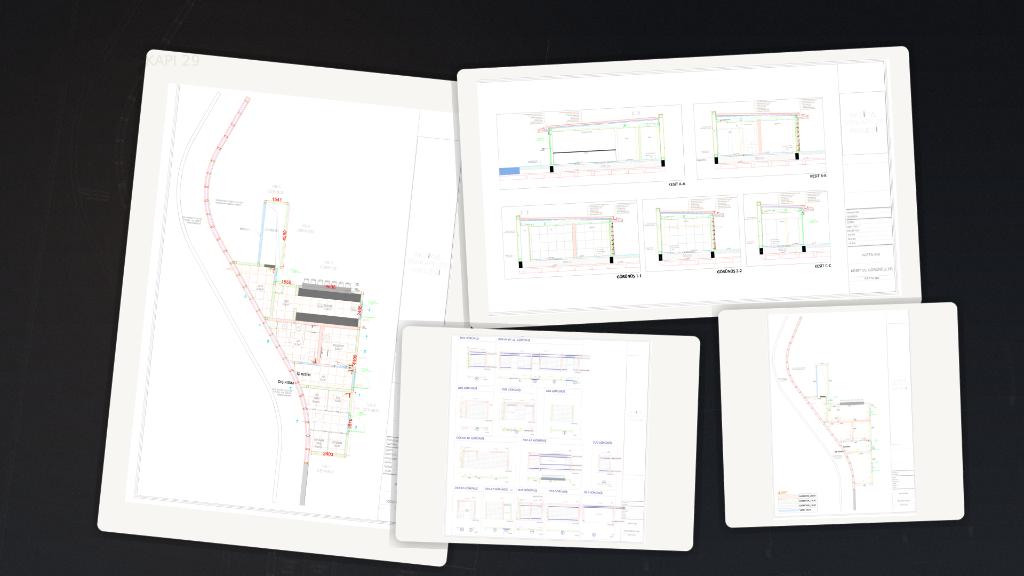
Defining a drawing package
A drawing package is defined by the decisions it communicates, who will use it and the stage it serves. A delivery list identifies the plans, sections, elevations and schedules required. The team establishes which source drawings are current and which dimensions still need verification, rather than treating every available file as confirmed information.
When contributing to another practice, units, sheet conventions, layer or model requirements, exchange formats and review dates are agreed together. Editable source files and review PDFs are listed separately. Revision identifiers and a drawing register help reviewers distinguish the current issue from earlier information.
Developing interior details
Interior details explain finish transitions, ceiling and lighting relationships, fitted furniture and junctions between trades. Enlarged views can clarify a connection that a general section cannot explain. Maintenance access, installation sequence and service positions are reviewed with the relevant team members, with unresolved inputs recorded rather than concealed in a drawing.
Shop drawings and review points
A shop drawing develops component dimensions, parts, material information and installation relationships for fabrication. Site measurements, supplier data and the selected product affect that information. Preparing a drawing, verifying a site dimension and authorizing fabrication are separate tasks; the scope identifies who undertakes each one and which inputs they require.
To discuss a package with Koloni, share the current design, proposed drawing list, a sample sheet and the required issue date. A single package can be a starting commission. Agreed review rounds and a process for scope changes make completion assessable against a defined deliverable, rather than an open-ended promise of further revisions.
Related projects
- Ticarethane Sales Office Dudullu
Interior Design, Shop & Fabrication Drawings